This article was originally published by Peter Szperling on September 26, 2025, for CTV News
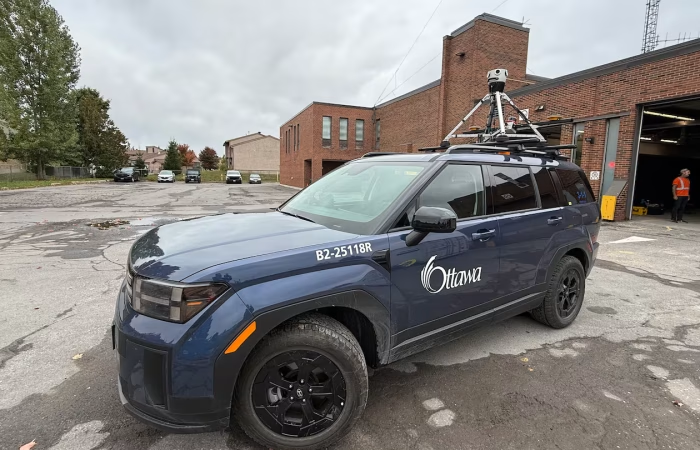
You may have seen a City of Ottawa vehicle driving around this summer and fall with a camera on the roof, which, at first glance, looks a bit like a Google Street View camera car – but it’s not that.
A vehicle with equipment mounted inside and out is being used as a digital mapping tool.
According to the city, the purpose of the vehicle is to “create a comprehensive digital inventory of Ottawa’s traffic infrastructure,” including things like street signs, traffic signals, pavement markings, street lights, and more.

“This has a ton of different uses,” Michael Martin, geospatial strategist with the City of Ottawa, tells CTV News Ottawa.
“Everything from knowing before you go, what it’s going to look like when you get there, to being able to use machine learning and computer vision to actually find all the objects in the right of way or along the streetscape. Everything from signs to lights to trees and everything in between.”

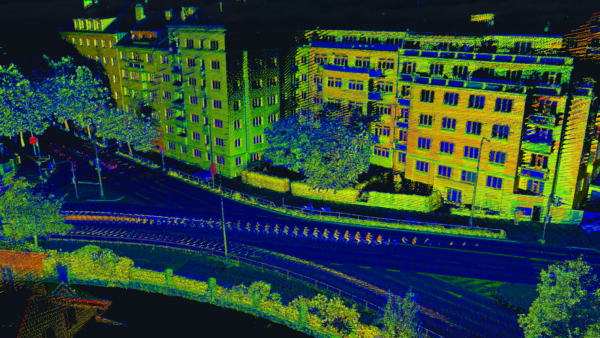
As the vehicle is moving, it can measure using lasers, gather GPS data to know where it is, and gather high-resolution images using multiple cameras.
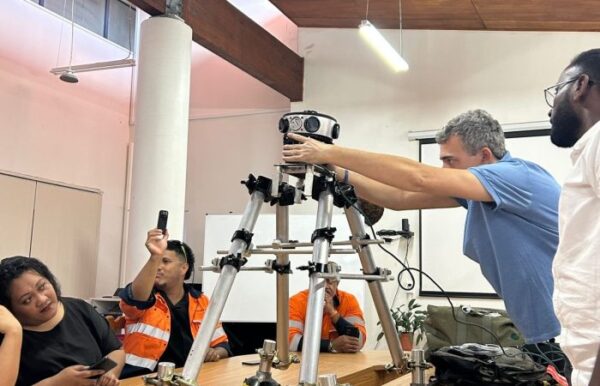
“We have an imaging system that has six lenses. Those all get stitched together to form a 75-megapixel image,” Martin said.

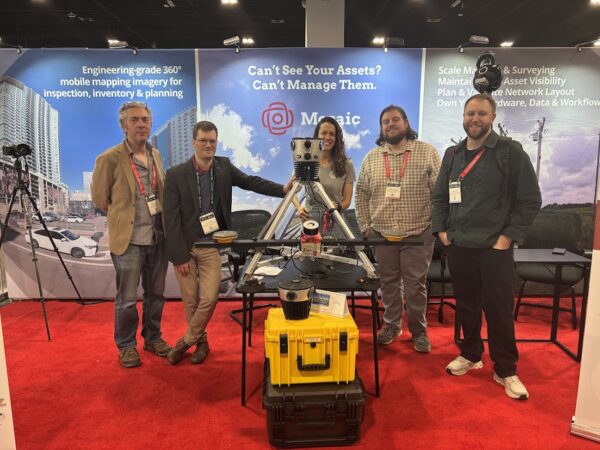
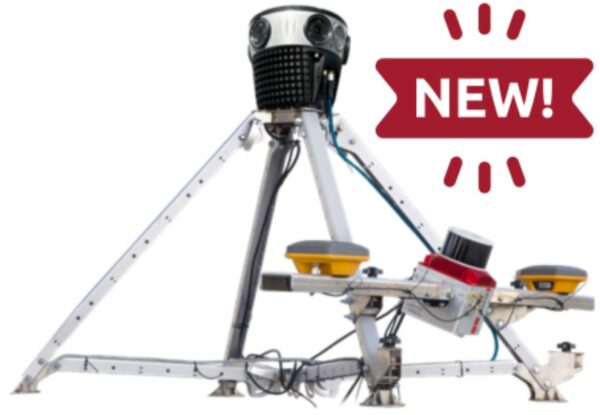
Mounted on the vehicle is a “Mosaic Meridian System, a high-precision mobile mapping tool equipped with a 360º camera and LiDAR sensors,” according to the city.
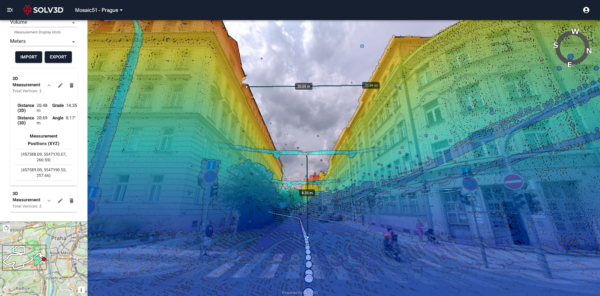
“We can use all of those with our machine vision back at the office to do all the wonderful things that this program is delivering on,” Martin said.
The imagery captures every detail, from where the traffic sign is to the state of the bolts holding it.
“We can make an assessment on its quality, everything from how it was attached to a post, so that we know we have the right equipment when we go and maintain it to the condition of the sign itself. In this case, (if) it was bent or rusted. And we can do this not for one sign, but for every sign at the same time, Martin said.
The city’s manager of geospatial analysts, technology and solutions team said the technology can help provide an “accurate inventory in a timely fashion.”
“So, then we can plan every year there’s a new budget. We have resources and priorities. We have a finite set of dollars. So, we need to accurately and effectively spend that where the greatest need is,” Randal Rodger said.

An example Rodger provided is if there are degraded traffic signs that may be in the need of urgent repair.
“So, this will help us to identify that over time. And it could also help for the maintenance if there’s a particular product that’s not lasting as long, then we can change those programs quickly,” Rodger said.
“This data will be used to help create an accurate inventory of all the signs in the City of Ottawa. At one time, you could send someone out, obviously doing them one by one. It would probably take you a number of years. We’re doing this in a matter of months to have that information up to date and available, to maintain those programs, to make the streets safer for everyone.”
While using the data for things like traffic signs is part of the “initial phase” of the project, Rodger says the data can be reused for multiple purposes, with the advantage of not having to go out into the field.
“People can do things at their desk, which helps for climate change and resiliency. So, there are many, many uses that can be derived from that data over time,” Rodger said.
CTV News Ottawa participated in a ride-along demonstration Friday morning. While driving through residential streets, the vehicle caught the attention of cyclists, drivers and pedestrians.
“I thought I’m looking at Google, but that’s the Ottawa City,” said Afshin.
The data gathered is being used internally by the city, so it’s not like Google Street View where virtually anyone can access.
The city says privacy is also protected, adding “an automated anonymization process will blur all personal identifiers.”
The vehicle has been on the road since early summer, and Martin says it has completed 70 to 74 per cent of the city’s road network.
“The entire city network is about 7,000 km,’ the city said.