emergency disaster management response 01

Emergency Disaster Management & Response

How Mosaic aids governing bodies in post-disaster and emergency scenarios by enabling rapid response and efficient resource management


Client testimonials

Why choose Mosaic for emergency disaster management & response?

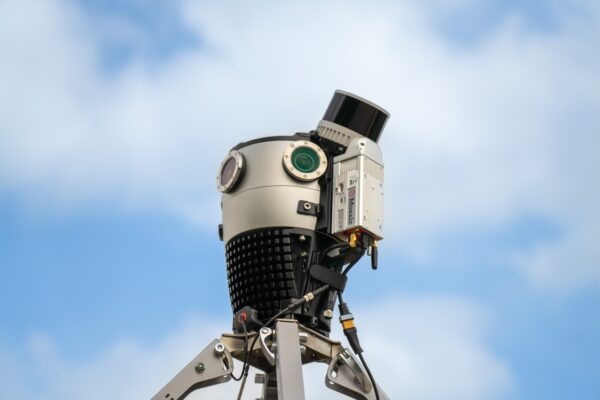
MosaicX_LiDAR_Meridian

The data you need - captured before disaster strikes

When a hurricane, wildfire, or flood hits, the speed of the response depends heavily on what data exists from before. Emergency coordinators, humanitarian aid teams, and insurance agencies all need a verifiable baseline to work from – one that shows what conditions looked like before the event, which routes were passable, which buildings were intact, and where critical infrastructure was located.

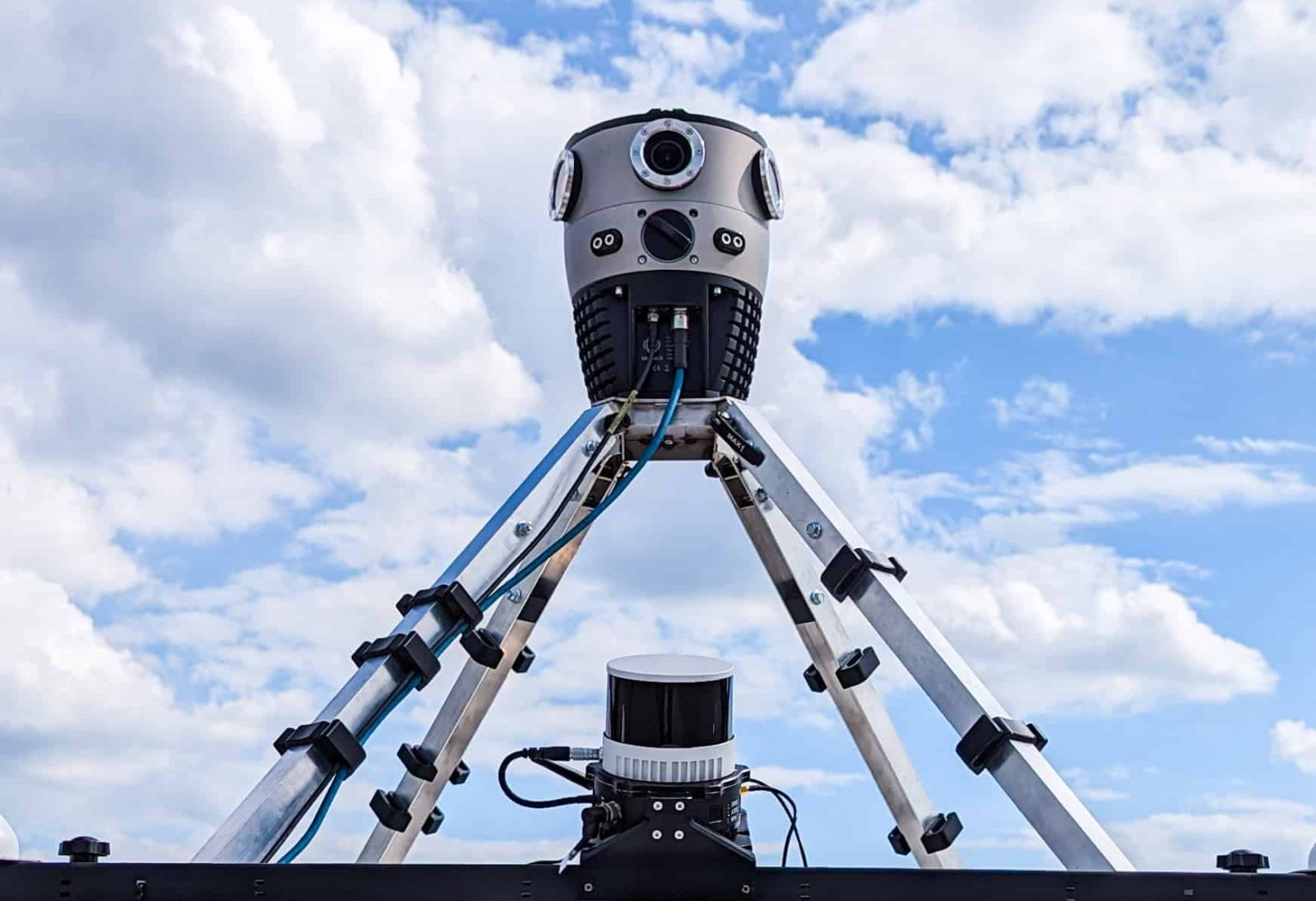
Mosaic camera systems make it practical to build that baseline systematically, surveying entire road networks and urban areas at regular intervals so that when disaster does strike, the before picture already exists. The difference between having that data and not having it is measured in hours of response time, millions in disputed claims, and the accuracy of decisions about where to deploy limited resources first.

Rapid ground-level assessment when every hour counts

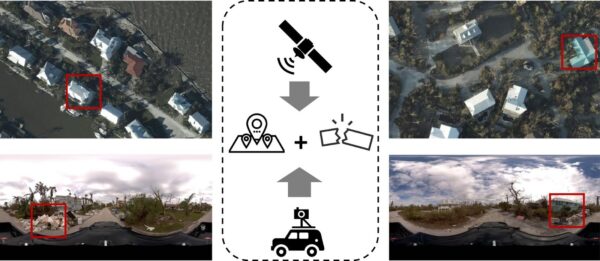
Aerial and satellite imagery can show the broad footprint of a disaster – but not whether a road is actually passable, not the water line on a building’s walls, not the structural condition of an individual property, and not the details that determine whether a family can return home or a business can reopen.

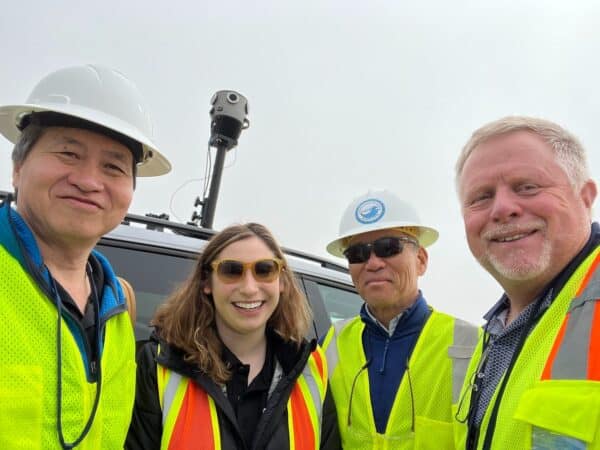
Mosaic camera systems can be deployed into affected areas immediately after access is granted, capturing comprehensive street-level imagery that gives emergency coordinators, FEMA teams, humanitarian aid departments, and public agencies the verified ground-truth data they need to act quickly. That imagery can be processed and published within hours – enabling damage triage, resource prioritization, and insurance claim initiation to begin in days rather than weeks.

Accountability, recovery, and rebuilding on solid evidence

The period after a disaster is as demanding as the response itself. Recovery funding needs to be justified, contractor work needs to be verified, rebuilding decisions need to be grounded in evidence, and the community needs confidence that resources are being directed where the damage is greatest.

A timestamped record of post-disaster conditions captured by Mosaic cameras provides the visual evidence that supports all of these: insurance settlements, government grant applications, infrastructure repair prioritization, and long-term urban recovery planning. When the same camera system that documented the city before the event is deployed again after, the comparison is unambiguous – and the path to recovery becomes clearer and faster for everyone involved.

Videos: Mosaic cameras operating in challenging environments for post-disaster management

Playlist

Real-Life Stories: How Mosaic camera systems are the difference in emergency disaster management & response.

Mosaic 360º mobile mapping cameras help with disaster management by quickly assessing damage, identifying hazards, and providing data for recovery efforts. It captures high-res 360° images and videos, providing panoramic views for better decision-making and training.