Documenting Lahaina and LA’s Wildfire Damage with Street-Level Imagery
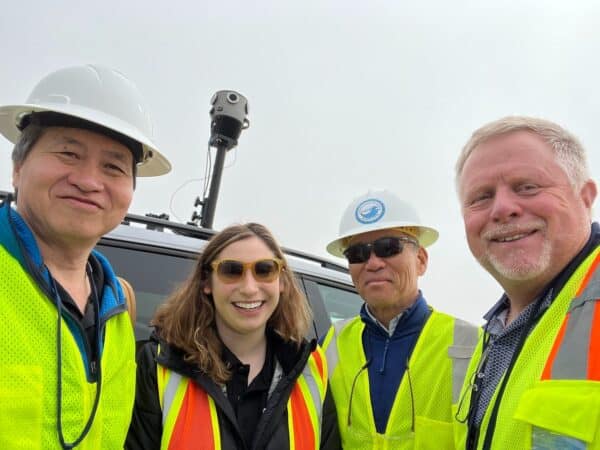
When UCLA and the University of Hawaii’s research programs need high-resolution 360° imagery of wildfire aftermath, they turn to Mosaic cameras.


How 360° cameras for public safety are helping first responders and emergency personnel

Public safety starts with understanding the environment. Damaged road signs, failed streetlights, obstructed emergency access routes, faded pedestrian markings, illegal structures encroaching on public space – these are hazards that only become visible at street level.
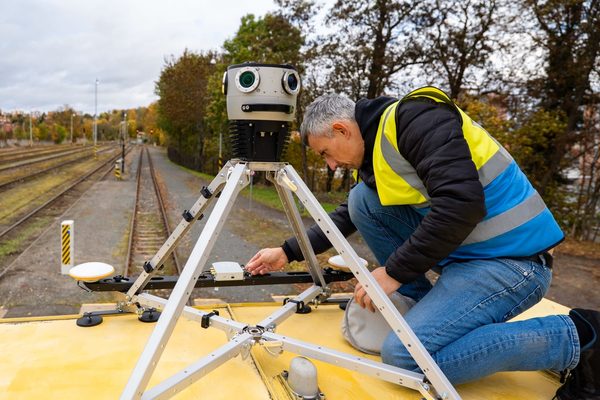
Mosaic camera systems give city authorities and public safety agencies the ability to systematically survey and document their entire urban environment, creating a comprehensive, georeferenced inventory that supports proactive identification and resolution of safety risks. When you can see every detail of your streets from the office – down to the condition of individual signs, the state of road markings, and whether buildings comply with permits – you can address problems before they cause harm rather than responding after the fact.

Urban environments change rapidly, and public safety departments are rarely large enough to physically inspect every corner of the cities they serve. High-resolution 360° imagery captured with Mosaic cameras gives enforcement teams a systematic, up-to-date visual record of the entire road network – enabling remote monitoring of public space usage, commercial compliance, building permit adherence, and infrastructure conditions without requiring field visits for every check.
Teams can identify non-compliant businesses, detect unauthorized construction, verify that public assets are well-maintained, and respond to citizen complaints from the office – freeing limited personnel for the situations that genuinely require a physical presence.

The next generation of public safety tools – GeoAI models that assess infrastructure risk, machine learning systems that detect hazards, and cross-view analysis platforms that combine satellite and street-level data – all depend on high-quality, consistent ground-level imagery to train and operate effectively.
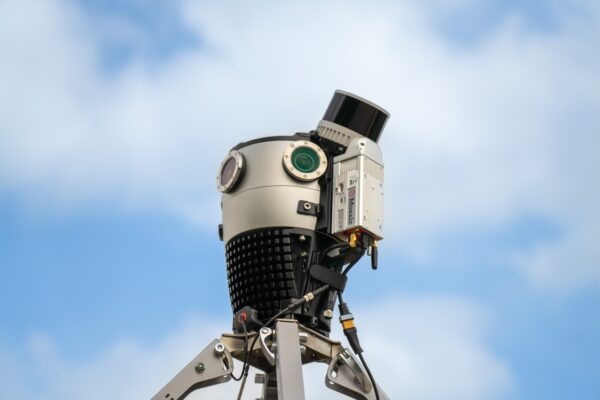
Mosaic camera systems produce the kind of spatially accurate, high-resolution 360° data that researchers and public safety technology developers need: visually consistent, precisely georeferenced, and detailed enough to support automated feature detection and condition classification. For cities and agencies building smarter, data-driven approaches to public safety, Mosaic imagery is the ground-truth foundation those systems are built on.

When UCLA and the University of Hawaii’s research programs need high-resolution 360° imagery of wildfire aftermath, they turn to Mosaic cameras.
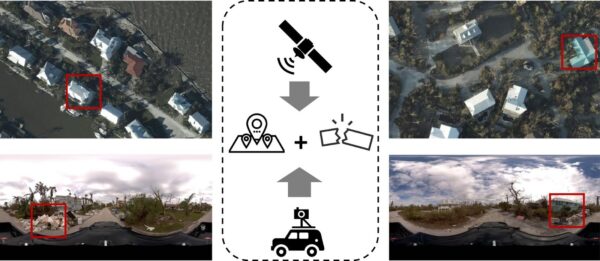
There are some scenes only street-view imagery can capture. These researchers are using Mosaic imagery from Hurricane Ian to train GeoAI models to identify post-disaster damage levels. When Hurricane Ian
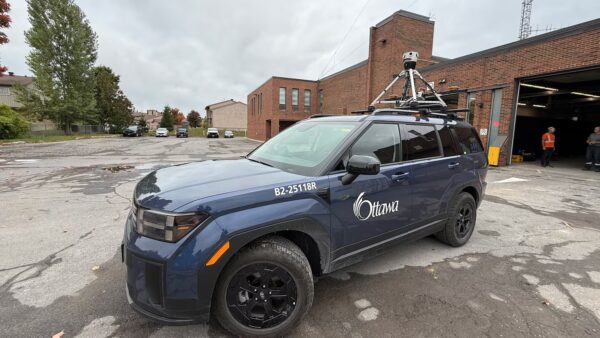
The Mosaic Meridian got a moment in the spotlight on local Ottawa news as city officials implement Smart City technology.

Police departments, firefighters, and security firms all benefit from the data gathered by our robust 360° cameras for public safety.
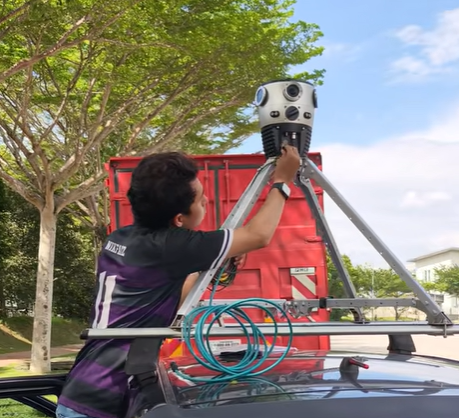
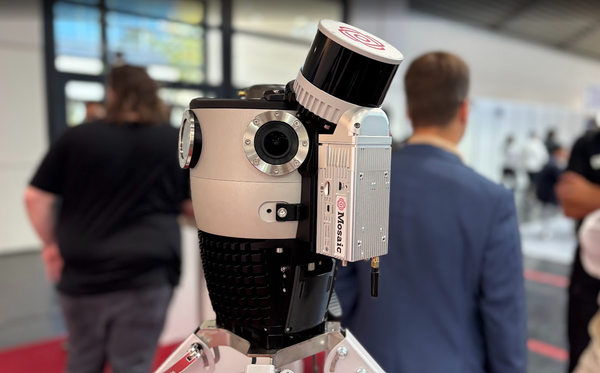
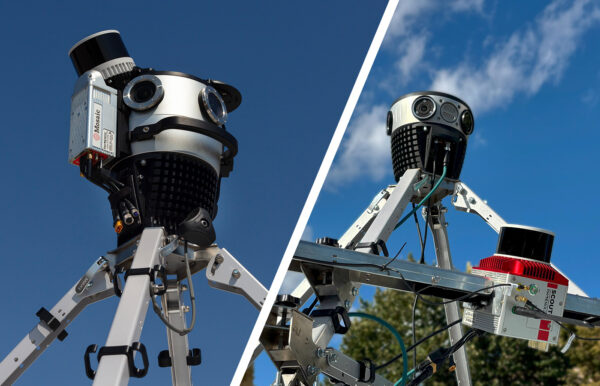
360° cameras can assist emergency response personnel, firefighters, and law enforcement before tragedy strikes or during a call for help. The six 12-megapixel image sensors and ability to capture 12-bit compressed RAW images ensure ultra-high-definition images, plus the GPS guarantees the most precise positioning.