world models the future of ai training data 03
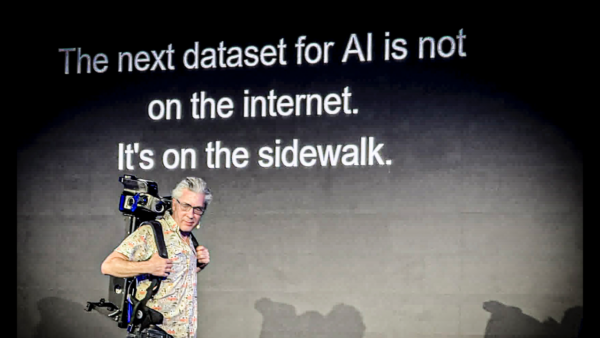
The world is the next dataset for AI.
Start capturing it with Mosaic.

The next breakthrough in AI training data won’t come from scraping more video.
It’ll come from the physical world – documented with geometric precision,
at the scale humans actually experience it.

The data that powers embodied intelligence cannot come from YouTube. Text-based models were trained on the internet because text was there, in abundance, and it was enough. Spatial understanding is different. To achieve the accuracy that  real-world AI requires, the data has to be captured – not scraped.

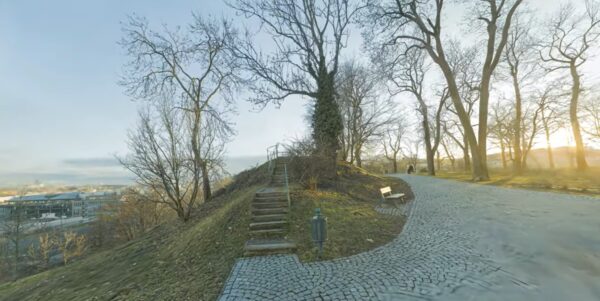
For more than 20 years, Mosaic Co-founder and CEO Jeffrey Martin has been creating spatial data processes, platforms, and hardware that document the world as we see and experience it: in 360° and at eye-level.

The AI that wins this race to the top will train on data the same way animals and humans     do – by experiencing it firsthand, in the original fully immersive 360 dataset: the real world.

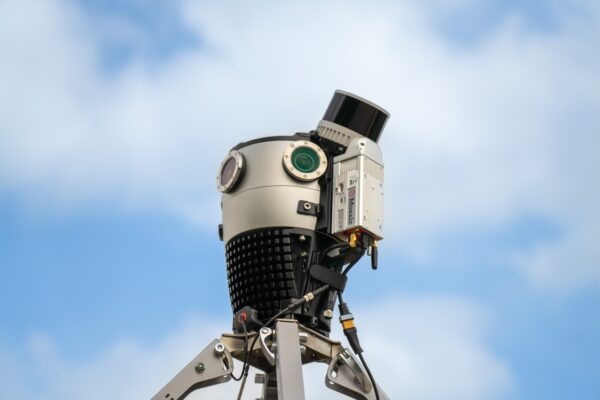
From mobile mapping to AI training data and Gaussian splat production, Mosaic cameras deliver this calibrated, multimodal sensor data that artificial general intelligence needs to make the next technological leap.

Thinking behind the hardware

Why the path to AGI runs through the physical world

For more than seven years, Mosaic has been building the hardware and infrastructure that produces exactly this kind of data:

Calibrated.

Geo-referenced.

Multimodal.

Captured at human scale.

Produced from the ground level up.

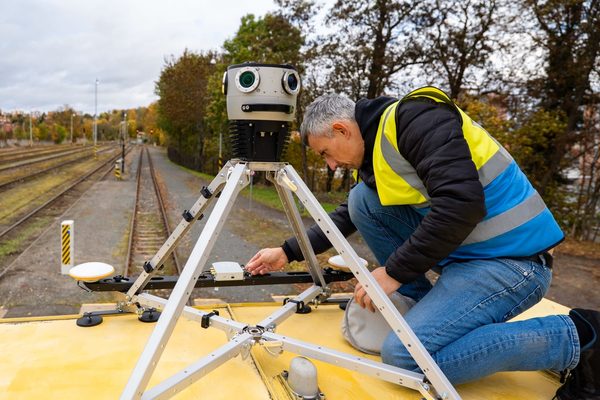
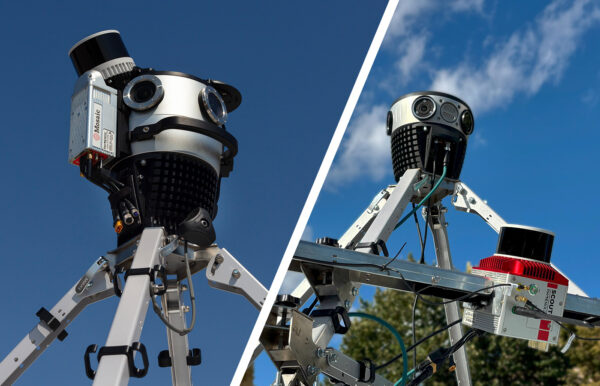
We design the cameras. We build the INS integration. We have deployed these systems across a diverse, global customer base. When the world’s leading embodied AI labs tell us that the data they need doesn’t exist on the internet – we already know what it takes to go get it.

This has led Mosaic CEO Jeffrey Martin to explore one of the most important questions in technology:

What does it actually take to build machines that understand reality the way we do?

His answer – and the reason we build the cameras that we do – is that embodied intelligence requires embodied data. High-resolution, geo-referenced data captured at the human scale.

Read the series

Follow along as Jeffrey Martin takes a deep dive into the theories behind world models and what it means for building our digital future.

3D visualization & reality capture

Gaussian splats: the format reshaping how we capture and experience the world in 3D.

NeRFs arrived in 2020 and changed how we thought about 3D rendering. Then came Gaussian splatting – and it’s rapidly taking over.

Instead of meshes or point clouds, splats represent a scene as millions of ellipsoid blobs, each one an average of the light, color, and opacity of a point in space.

The result handles reflections, transparency, and complex surfaces in ways that photogrammetry and laser scanning simply can’t match.

Our team has been deep in this space – here’s how it works and where it’s going. From mobile mapping to AI training data and Gaussian splat production, Mosaic cameras deliver this calibrated, multimodal sensor data that artificial general intelligence needs to make the next technological leap.

From Panoramas to Gaussian Splats

The same 13.5K imagery that powers reality capture is becoming essential training data for world models. Mosaic cameras produce dense, calibrated, geo-referenced captures that convert cleanly into Gaussian splats, NeRFs, and photogrammetric meshes – and we’ve been deep in this technology since the beginning.
Want to understand how it works and where it’s going? Start here.

Prefer to watch? Join our team and industry experts as they debate the big questions around Gaussian splatting – from survey accuracy and commercial adoption to what it all means for the future of reality capture.

Ready to start documenting the world?

Explore the Mosaic cameras and systems built to capture the physical-world data that AI needs.